Plant Information
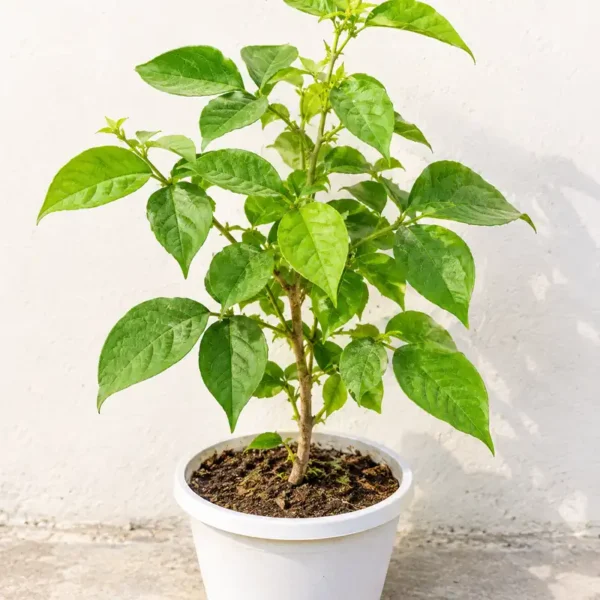
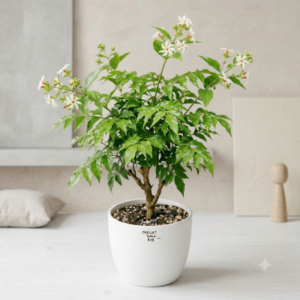
The Bel Patra Plant, botanically known as Aegle marmelos, is a tropical fruit-bearing tree native to the Indian subcontinent. It is widely grown in India for its religious importance, traditional uses, and delicious Bael fruits.
The plant is particularly famous for its trifoliate leaves, which consist of three leaflets and hold special significance in Hindu worship. These leaves are traditionally offered to Lord Shiva, making the Bel tree an important plant in many Indian households and temples.
Bel is a hardy, deciduous tree that can adapt to different soil conditions and tolerate hot weather once established. With proper care, it can grow into a beautiful outdoor tree and may produce fragrant flowers followed by round fruits.
Whether you want a sacred plant for daily puja, a traditional medicinal tree, or a fruit-bearing addition to your garden, the Bel Patra plant is an excellent choice.
Bel Patra Plant Specifications
- Common Name: Bel Patra, Bael, Bilva, Bael Tree
- Botanical Name: Aegle marmelos
- Plant Type: Fruit-bearing tree
- Family: Rutaceae
- Plant Height: Varies with plant age
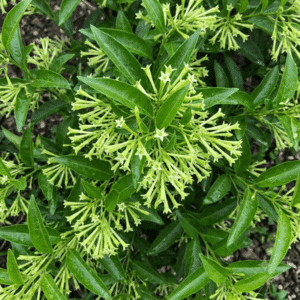
- Leaf Type: Green, trifoliate leaves
- Flower Colour: Greenish-white
- Fruit: Round, green to yellow when mature
- Sunlight: Full sunlight
- Water Requirement: Moderate
- Maintenance: Low to moderate
- Growing Location: Outdoor garden, terrace, and open spaces
- Climate: Tropical and subtropical
Benefits of Bel Patra Plant
1. Religious and Spiritual Significance
Bel Patra leaves are considered sacred in Hinduism and are traditionally offered to Lord Shiva. Growing a Bel tree at home allows devotees to access fresh leaves for religious rituals.
2. Traditional Medicinal Importance
Different parts of the Bael tree, including its leaves, fruit, roots, and bark, have a long history of use in traditional Indian medicine. The fruit is particularly valued in Ayurveda.
3. Fruit-Bearing Tree
The Bel tree produces nutritious fruits with a hard outer shell and aromatic pulp. Mature fruits can be used to prepare traditional beverages, sherbet, and other food preparations.
4. Suitable for Indian Climate
Bel trees are well adapted to Indian climatic conditions. Once established, they can tolerate heat and periods of dry weather.
5. Natural Garden Beauty
Its attractive green leaves, fragrant flowers, and distinctive fruits make it a wonderful addition to outdoor gardens and home landscapes.
Bel Patra Plant Care Guide
1. Sunlight
The Bel Patra plant grows best in full sunlight. Choose a location that receives approximately 6–8 hours of direct sunlight daily for healthy growth.
2. Watering
Water the plant regularly during its growing stage. Allow the upper layer of soil to dry slightly before watering again. Avoid waterlogging, as excessive moisture can damage the roots.
3. Soil Requirements
Use well-draining soil rich in organic matter. A mixture of garden soil, compost, and coarse sand can support healthy root development.
4. Fertilizer
Apply well-decomposed cow dung manure or organic compost during the growing season. Avoid excessive fertilizer application.
5. Temperature
The Bel tree prefers warm tropical and subtropical climates. It grows well in Indian summers and can tolerate dry conditions once established.
6. Pruning
Remove dry, damaged, or diseased branches when required. Light pruning helps maintain the tree’s shape and encourages healthy growth.
7. Repotting
If growing the Bel plant in a container, choose a sufficiently large pot with drainage holes. Repot into a larger container as the plant grows.
Frequently Asked Questions (FAQs)
1. What is the botanical name of the Bel Patra plant?
The botanical name of the Bel Patra plant is Aegle marmelos. It is commonly known as Bael, Bilva, or Bengal quince.
2. What is another name for the Bel Patra plant?
The Bel Patra plant is also called Bael tree, Bilva tree, Bael fruit tree, and Bengal quince.
3. Why is the Bel Patra plant considered sacred?
Bel leaves are traditionally offered to Lord Shiva in Hindu worship. The three leaflets are associated with religious symbolism and make this plant especially sacred.
4. Can I grow a Bel Patra plant at home?
Yes. You can grow a Bel Patra plant in your home garden or a large container. It needs sufficient sunlight, well-draining soil, and moderate watering.
5. Does the Bel Patra plant need direct sunlight?
Yes. The Bel tree grows best in full sunlight and generally benefits from around 6–8 hours of direct sunlight every day.
6. How often should I water my Bel Patra plant?
Water according to soil moisture and weather conditions. Water when the upper soil begins to dry and avoid keeping the roots continuously wet.
7. Does the Bel Patra plant produce fruits?
Yes. A mature Bel tree produces round Bael fruits that develop a hard outer shell and aromatic edible pulp.
8. Can Bel Patra be grown in a pot?
Yes. Young Bel plants can be grown in large containers. However, because the tree can grow quite large, an open garden is preferable for long-term growth.
Reviews
There are no reviews yet.