Plant Information
- Botanical Name: Cestrum nocturnum
- Common Names: Night-Blooming Jasmine, Queen of the Night, Night-Blooming Cestrum, Raat ki Rani
- Plant Type: Evergreen Woody Shrub
- Mature Height: 8 to 13 feet (can be pruned to smaller pot sizes)
- Sunlight Needs: Full Sun to Partial Shade
- Bloom Time: Late spring through autumn (flowers open at night)
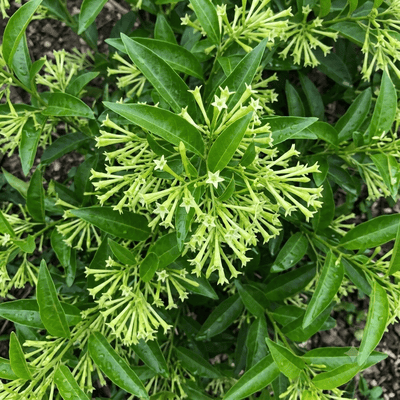
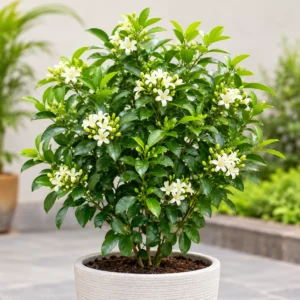
- Flower Color: Pale greenish-white
- Toxic Parts: All parts of the plant are toxic if ingested by pets or humans.
About
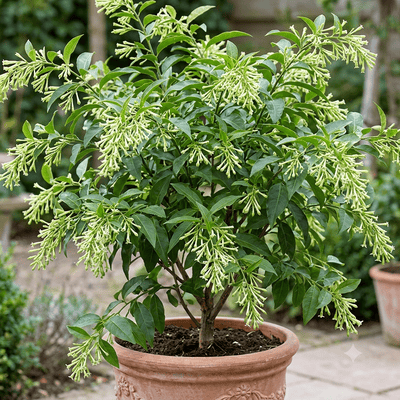
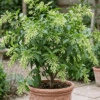
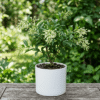
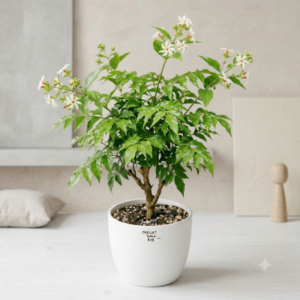
Cestrum nocturnum, commonly known as Night Blooming Jasmine, is one of the most delightfully scented plants in the world. Native to the West Indies and Central America, this vigorous evergreen bush is beloved globally for its unique nocturnal blooming habit. During the day, the slender tubular buds remain quiet amongst rich, glossy dark-green leaves. As evening falls, the tiny star-shaped petals unfurl to release an amazingly rich, sweet scent that can easily travel across an entire garden or balcony.
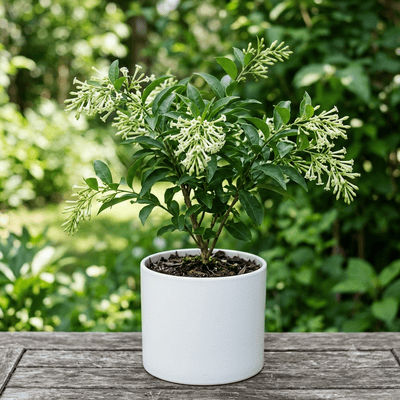
Ideal for outdoor gardens, patio containers, or sunny balconies, Night Blooming Jasmine is easy to grow and establishes quickly. Whether trained as a flowering hedge, grown in a decorative pot, or placed near outdoor seating areas, it brings an unmistakable touch of luxury and tranquility to nighttime outdoor spaces.
Plant Benefits
- Incredible Nighttime Fragrance: Natural evening air freshener for patios, gardens, and balconies.
- Fast Growing & Lush: Quickly fills out space with attractive glossy green foliage.
- Versatile Placement: Thrives both planted directly in garden beds or kept in containers/planters.
- Pollinator Friendly: Attracts nocturnal pollinators like moths and beneficial insects.
- Low Maintenance: Resilient, easy to care for, and responds exceptionally well to pruning.
Care & Growing Instructions
- Light: Thrives best in bright, direct sunlight to partial afternoon shade. Needs at least 4 to 6 hours of sun daily for maximum flower output.
- Watering: Water thoroughly when the top inch of soil feels dry. Keep soil moist but well-drained; avoid overwatering or waterlogging.
- Soil: Prefers rich, organic-rich soil with excellent drainage.
- Temperature & Humidity: Thrives in warm, humid climates (USDA Zones 9–11). Protect from hard frosts or bring potted plants indoors during freezing winters.
- Fertilizer: Feed with a balanced organic fertilizer or high-phosphorus bloom booster every 3–4 weeks during the growing season (spring and summer).
- Pruning: Prune lightly after a flowering cycle to encourage dense branching and heavier future blooms.
Frequently Asked Questions (FAQ)
Q: Does Night Blooming Jasmine smell during the daytime? A: No, the tubular flowers remain closed or odorless during the day and open fully in the evening to release their sweet aroma.
Q: Is Night Blooming Jasmine safe for pets? A: Cestrum nocturnum is toxic to dogs, cats, and livestock if ingested. Keep the plant out of reach of curious pets and children.
Q: Can I grow this plant indoors? A: Yes, provided it gets a warm, sunny spot (such as near a south-facing window). However, due to its very strong scent when blooming, many people prefer placing it on balconies or outdoor patios.
Q: Why is my plant not blooming? A: Lack of blooms is usually caused by inadequate sunlight or a lack of nutrients. Ensure your plant receives at least 4–6 hours of direct sun daily and fertilize regularly during spring and summer.
Reviews
There are no reviews yet.