Plant Full Information
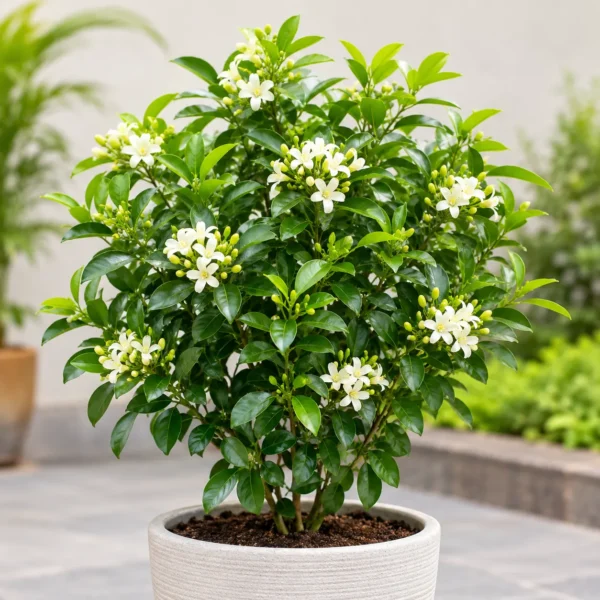
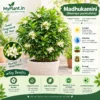
Common Name: Madhukamini, Kamini, Orange Jasmine
Botanical Name: Murraya paniculata
Plant Type: Evergreen flowering shrub
Plant Family: Rutaceae
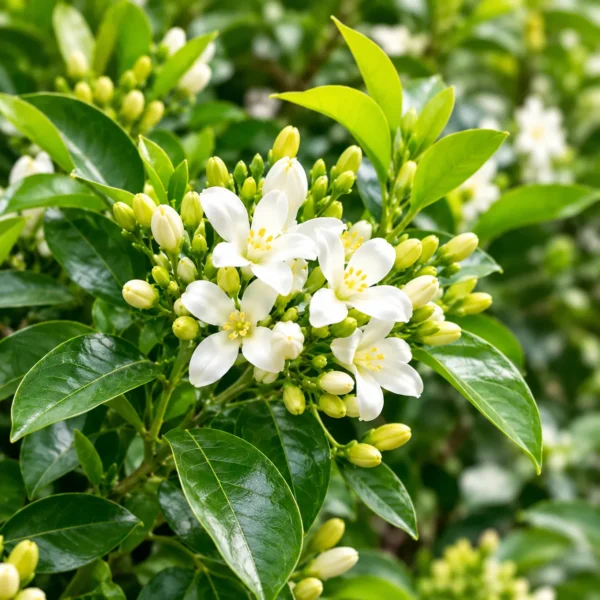
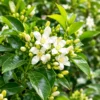
Flower Colour: White
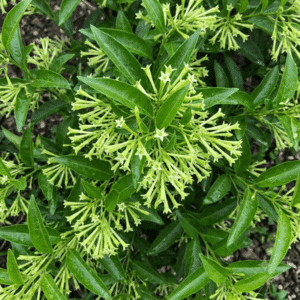
Foliage: Glossy green
Fragrance: Sweet and pleasant
Sunlight Requirement: Partial to full sunlight
Water Requirement: Moderate
Growth Habit: Bushy and compact
Ideal For: Home gardens, balconies, terraces, hedges, and decorative planters
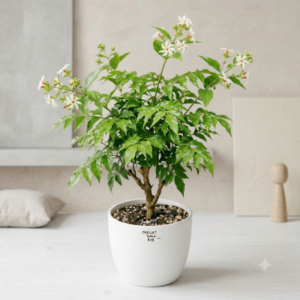
Suitable for Bonsai: Yes, with regular pruning and shaping
About Madhukamini Plant
Madhukamini is a popular ornamental plant valued for its attractive foliage and fragrant white flowers. Its dense, naturally bushy growth makes it an excellent choice for creating beautiful garden borders, green hedges, and decorative plant arrangements.
With proper pruning, Madhukamini can be maintained in a compact shape and grown in pots, making it suitable for small gardens, balconies, and terrace spaces. Its flowers can bloom multiple times under favourable growing conditions, adding beauty and fragrance to your garden.
Whether you want to enhance your home’s greenery or create an elegant flowering landscape, Madhukamini is a versatile choice for plant lovers.
Madhukamini Plant Benefits
- Beautiful Fragrant Flowers: Produces delicate white flowers with a pleasant, sweet fragrance.
- Attractive Green Foliage: Glossy leaves provide year-round greenery in suitable climates.
- Ideal for Home Gardens: Enhances the beauty of gardens, entrances, balconies, and terraces.
- Excellent for Hedges: Dense growth makes it suitable for decorative borders and low hedges.
- Suitable for Container Gardening: Can be grown in pots and planters with proper care.
- Easy to Shape: Regular pruning helps maintain a neat, bushy appearance.
- Suitable for Bonsai: Its small leaves and woody growth make it a good candidate for bonsai training.
Madhukamini Plant Care Guide
1. Sunlight
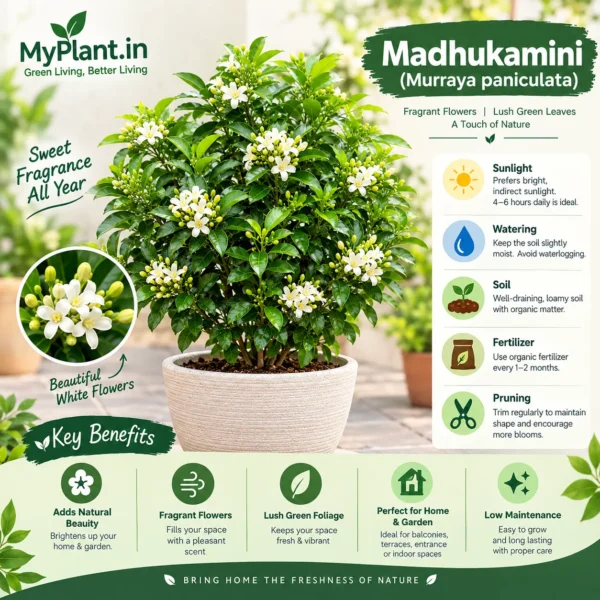
Place your Madhukamini plant where it receives around 4–6 hours of sunlight daily. Good sunlight encourages healthy growth and flowering. In very hot summer weather, some afternoon shade can help protect container-grown plants.
2. Watering
Water the plant when the top layer of soil begins to dry. Keep the soil lightly moist but never waterlogged. Reduce watering during cooler weather when the soil takes longer to dry.
3. Soil
Use well-draining, fertile soil rich in organic matter. A suitable potting mix can contain garden soil, compost, and coarse sand or another drainage-improving material.
4. Fertilizer
Apply a balanced plant fertilizer or well-decomposed compost during the active growing season. Follow the fertilizer label instructions and avoid excessive application, which can damage roots.
5. Pruning
Prune lightly after flowering or when the plant becomes too bushy. Regular trimming helps maintain its shape and encourages branching. Avoid heavy pruning when the plant is stressed.
6. Pot and Repotting
Choose a pot with drainage holes. Repot when the roots become crowded or the plant outgrows its container, preferably during favourable growing weather.
7. Common Problems
Watch for pests such as scale insects, aphids, and spider mites. Yellowing leaves may indicate overwatering, poor drainage, or nutrient problems. Inspect the leaves regularly and address the underlying cause.
Madhukamini Plant FAQ
Q1. Is Madhukamini an indoor or outdoor plant?
Madhukamini is primarily an outdoor plant because it grows and flowers best with good sunlight. It can be kept in a bright balcony or near a sunny window, but indoor flowering may be limited.
Q2. Does Madhukamini have fragrant flowers?
Yes, Madhukamini produces small white flowers with a sweet, pleasant fragrance, particularly noticeable when the plant is in bloom.
Q3. How much sunlight does Madhukamini need?
It generally performs well with 4–6 hours of sunlight daily. In extremely hot conditions, protect it from harsh afternoon sun if the leaves show signs of stress.
Q4. How often should I water Madhukamini?
Water when the upper layer of soil starts to dry. The frequency depends on temperature, pot size, sunlight, and soil drainage.
Q5. Can Madhukamini grow in a pot?
Yes. Madhukamini grows well in containers when provided with sufficient sunlight, a well-draining potting mix, and regular pruning.
Q6. Is Madhukamini suitable for bonsai?
Yes. Its woody branches, evergreen foliage, and ability to tolerate pruning make it suitable for bonsai training with patience and regular maintenance.
Q7. When does Madhukamini flower?
Flowering depends on climate, sunlight, plant maturity, and growing conditions. With adequate light and proper care, it may flower multiple times throughout the year in favourable climates.
Q8. Why is my Madhukamini plant not flowering?
Insufficient sunlight, excessive nitrogen fertilizer, improper pruning, or unsuitable watering may reduce flowering. Provide adequate light and balanced nutrition.
Q9. Is Madhukamini easy to maintain?
Yes. Once established, it is relatively easy to maintain with appropriate sunlight, moderate watering, occasional feeding, and periodic pruning.
Q10. Is Madhukamini suitable for Indian weather?
Madhukamini grows well in many parts of India, especially in warm climates. Protect young plants and container-grown specimens from severe cold and frost.
Bring Home the Beauty of Madhukamini
Add elegance, greenery, and delightful floral fragrance to your surroundings with the Madhukamini Plant from MyPlant.in. It is a lovely choice for garden lovers who want a versatile ornamental plant for pots, hedges, balconies, and home gardens.
Shop Madhukamini Plant at MyPlant.in and make your green space more beautiful.
Reviews
There are no reviews yet.