Description
Plant Information
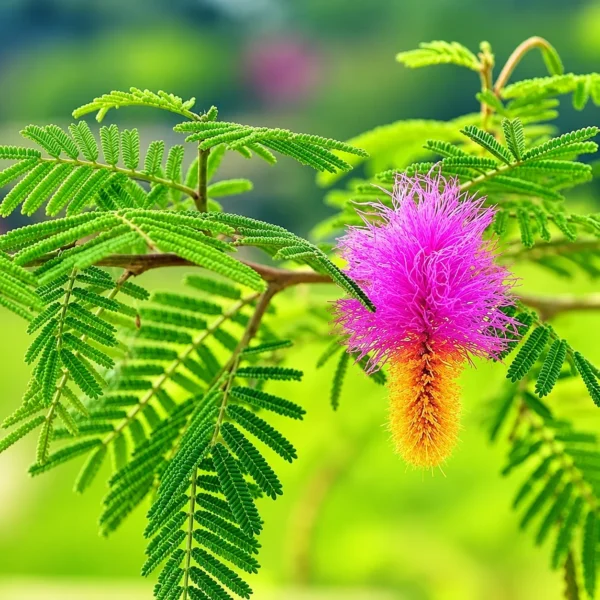
The Shami Plant, botanically known as Prosopis cineraria, is a native tree of the Indian subcontinent, particularly popular in Rajasthan, Haryana, Punjab, Gujarat, and other dry regions of India.
Commonly called Khejri, Jand, or Banni, this remarkable tree is well known for its ability to survive in hot and dry climatic conditions. It has small, delicate green leaves, thorny branches, and a naturally attractive appearance.
The Shami tree holds special religious importance in Hinduism. Its leaves are traditionally offered during prayers, particularly to Lord Shiva, and are associated with Lord Shani. The tree is also connected with the traditional celebration of Dussehra.
Apart from its spiritual importance, the Khejri tree plays an important role in desert ecosystems. It helps improve soil fertility, provides shade, and supports local biodiversity.
If you are looking for a sacred plant, a hardy outdoor tree, or a traditional addition to your garden, the Shami plant is a wonderful choice.
Shami Plant Specifications
- Plant Name: Shami Plant
- Botanical Name: Prosopis cineraria
- Common Names: Khejri, Jand, Banni Tree, Ghaf Tree
- Plant Type: Evergreen or semi-deciduous tree
- Family: Fabaceae
- Leaf Type: Small, compound green leaves
- Flower Colour: Yellowish-green
- Growth Habit: Medium-sized tree
- Sunlight: Full sunlight
- Water Requirement: Low to moderate
- Maintenance: Low
- Growing Location: Outdoor garden, terrace, and open spaces
- Climate: Tropical, subtropical, and arid climates
Benefits of Shami Plant
1. Religious and Spiritual Significance
The Shami tree is considered sacred in Hindu traditions. Its leaves are traditionally offered to Lord Shiva and are associated with Lord Shani. Many people grow this plant at home for religious and cultural purposes.
2. Considered Auspicious in Vastu
The Shami plant is traditionally considered auspicious in Vastu and is believed by some households to attract positivity and prosperity. It is commonly grown in home gardens and outdoor spaces.
3. Excellent for Indian Climate
The Shami tree is naturally adapted to hot, dry, and arid conditions. Once established, it can tolerate high temperatures and limited water availability.
4. Supports Soil Fertility
As a leguminous tree, Shami can contribute to soil fertility through its association with nitrogen-fixing bacteria. It is particularly valuable in dryland and agricultural ecosystems.
5. Provides Natural Shade
With proper growth, the Shami tree develops a spreading canopy that provides shade and creates a pleasant outdoor environment.
6. Supports Biodiversity
Its flowers and foliage provide resources for various insects and animals, making it an environmentally valuable tree.
Shami Plant Care Guide
1. Sunlight
The Shami plant loves sunlight. Place it in an outdoor location receiving at least 6–8 hours of direct sunlight daily for healthy growth.
2. Watering
Shami is a drought-tolerant plant once established. Water young plants regularly while allowing the soil to dry slightly between watering. Avoid overwatering and waterlogging.
3. Soil Requirements
Use well-draining soil. A mixture of garden soil, coarse sand, and organic compost is suitable for container growing.
4. Fertilizer
Apply a small quantity of organic compost or well-decomposed cow dung manure during the growing season. Excessive fertilization is generally unnecessary.
5. Temperature
The Shami tree grows well in warm climates and can tolerate high temperatures. It is particularly suitable for Indian summers.
6. Pruning
Remove dry, damaged, or unwanted branches to maintain a healthy structure. Pruning can also help shape the plant when growing it in a container.
7. Pot and Repotting
Young Shami plants can be grown in containers. Select a sturdy pot with sufficient drainage holes. As the plant grows, shift it into a larger container or an open garden for better root development.
Frequently Asked Questions (FAQs)
1. What is the botanical name of the Shami plant?
The botanical name of the Shami plant is Prosopis cineraria. It is commonly known as Khejri, Jand, and Banni Tree.
2. What are the other names of the Shami plant in India?
The Shami plant is known by several regional names, including Khejri in Rajasthan, Jand in Punjab and Haryana, and Banni in parts of Karnataka.
3. Is the Shami plant considered auspicious?
Yes. The Shami tree holds religious importance in Hindu traditions and is traditionally associated with Lord Shiva, Lord Shani, and Dussehra celebrations.
4. Can I grow a Shami plant at home?
Yes. You can grow a young Shami plant in a garden or a large container. It requires plenty of sunlight and well-draining soil.
5. Does the Shami plant need direct sunlight?
Yes. The Shami plant grows best in full sunlight and benefits from approximately 6–8 hours of direct sunlight daily.
6. How often should I water a Shami plant?
Water regularly during the early growth stage. Once established, the plant requires less frequent watering because it is naturally drought-tolerant.
7. Can the Shami plant grow in a pot?
Yes. Young Shami plants can grow in pots. However, for long-term healthy development, an open garden or a large container is preferable.
8. Is the Shami plant suitable for Indian weather?
Yes. Prosopis cineraria is highly adapted to Indian climatic conditions, particularly hot, dry, and semi-arid regions.
9. Why are Shami leaves offered during Dussehra?
Shami leaves are traditionally exchanged as a symbol of good wishes, prosperity, and victory during Dussehra in several parts of India.
10. Where can I buy a Shami plant online?
You can explore the Shami plant collection at MyPlant.in and bring this sacred and hardy tree to your home garden.
Bring Home a Sacred Shami Plant
Add traditional beauty and natural greenery to your home with the Shami Plant (Prosopis cineraria). Whether you want to grow it for religious purposes, its cultural significance, or its remarkable ability to thrive in Indian weather, the Shami tree is a meaningful addition to your garden.
Buy Shami Plant Online at MyPlant.in and bring home a plant that beautifully connects nature, tradition, and spirituality.
Shami Plant के भारत में प्रचलित नाम
| भाषा / क्षेत्र | स्थानीय नाम |
|---|---|
| हिंदी | शमी, खेजड़ी, खेजड़ा, जांद, जांटी |
| संस्कृत | शमी, ज्हिंद, ज्हंड |
| राजस्थान / मारवाड़ी | खेजड़ी, खेजड़ो, लूंग |
| हरियाणा | जांटी, जांद, छोंकरा |
| पंजाब | जांद, जंड, जांडी |
| गुजरात | खिजड़ो, सामी, सुमरी, सेमरू |
| महाराष्ट्र | शमी, शेमी, सौंदर, सावंदड़ |
| उत्तर प्रदेश / ब्रज | शमी, छौंकरा, छौंकरो |
| तेलुगु | जम्मी, जम्मी चेट्टू |
| कन्नड़ | बन्नी, बन्नी मारा, पेरुम्बे |
| तमिल | वन्नी, जम्बू, पेरुम्बाय |
| मलयालम | परम्पु |
| बंगाली | शमी |
| ओड़िया | शमी |
| सिंधी | कांडी |
| उर्दू | जंड, जांदी |


Reviews
There are no reviews yet.