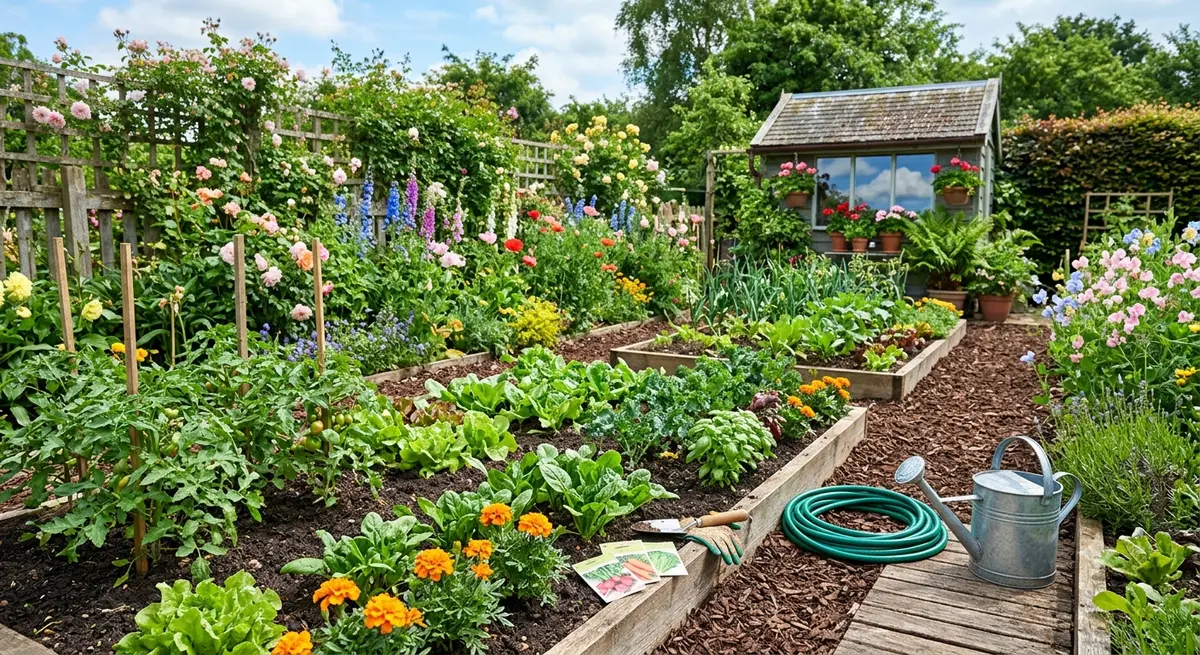
Starting a garden is one of the most rewarding hobbies you can develop. Whether you have a large backyard, a small balcony, a rooftop or just a few sunny windows, you can create a beautiful green space at home. Gardening not only makes your surroundings more attractive but also gives you an opportunity to grow fresh vegetables, herbs, fruits and flowers.
If you are new to gardening, getting started may seem confusing. You might wonder which plants to choose, what type of soil to use, how often to water them and which gardening tools you need.
The good news is that you don’t need professional experience or a large space to become a successful gardener. With a little planning, the right plants and regular care, anyone can start a garden at home.
In this guide, we will explain everything you need to know about how to start a garden, especially if you are a beginner.
1. Choose the Right Location for Your Garden
The first step in starting a garden is finding a suitable location. Your garden’s success largely depends on how much sunlight, air and space your plants receive.
Before selecting a spot, observe your home throughout the day.
Consider these locations:
- Balcony: Perfect for growing flowering plants, herbs and small vegetables.
- Terrace: Suitable for container gardening, vegetable gardening and larger plants.
- Backyard: An excellent choice for growing flowers, vegetables, fruit plants and ornamental trees.
- Windowsill: Ideal for small herbs and indoor plants that receive sufficient natural light.
Most vegetables and flowering plants need around 5–6 hours of sunlight daily, although the exact requirement varies by plant.
Choose a location that is easy to access so you can water, inspect and maintain your plants regularly.
2. Decide What Type of Garden You Want
Once you have selected your location, decide what kind of garden you want to create.
There are several types of gardens you can start at home.
Vegetable Garden
A vegetable garden allows you to grow fresh and healthy vegetables for your kitchen. You can start with tomatoes, chillies, spinach, radishes and coriander.
Flower Garden
If you love colourful surroundings, a flower garden is a great option. You can grow marigolds, petunias, zinnias, roses and hibiscus.
Herb Garden
Herbs are useful in everyday cooking and generally require less space. Mint, basil, coriander, curry leaves and fenugreek are popular choices.
Indoor Garden
Indoor gardening is perfect for people who want greenery inside their homes. Money plants, snake plants, peace lilies and ZZ plants are popular options, depending on the available light.
Balcony Garden
A balcony garden is an excellent solution for people living in apartments. With suitable pots, hanging planters and grow bags, you can transform a small balcony into a green space.
As a beginner, choose one type of garden rather than trying to grow everything at once.
3. Understand Your Soil
Healthy soil is the foundation of a successful garden. Plants depend on soil for nutrients, water and support for their roots.
Good gardening soil should be loose, well-draining and rich in organic matter.
For container gardening, you can prepare a basic growing mixture using:
- 40% garden soil
- 30% compost or vermicompost
- 20% cocopeat
- 10% sand or another suitable aeration material
This is a general starting mixture, not a universal formula. Adjust it according to the plants you want to grow.
For example, succulents and cacti require a much faster-draining growing medium than most leafy vegetables.
You can also improve garden soil by adding well-decomposed compost regularly.
Avoid using fresh animal manure or undecomposed kitchen waste directly around plant roots.
4. Collect Essential Gardening Tools
You don’t need expensive equipment to start gardening. A few basic tools are enough for most beginner gardening activities.
Here are some useful gardening tools:
- Hand Trowel: Helps dig small holes and transfer soil into pots.
- Watering Can: Provides gentle watering for seedlings and small plants.
- Pruning Shears: Useful for trimming dead leaves, stems and branches.
- Garden Gloves: Protect your hands while working with soil.
- Hand Fork: Helps loosen soil and remove weeds.
- Spray Bottle: Useful for gentle watering and certain plant-care applications.
- Garden Spade: Helps with digging and preparing garden beds.
Start with the essential tools and purchase additional equipment as your garden grows.
5. Select Easy-to-Grow Plants for Beginners
Choosing the right plants is one of the most important steps when starting a garden.
Some plants are easier to maintain than others. Beginners should select plants that suit their local climate, available sunlight and gardening space.
Here are some beginner-friendly plants commonly grown in India.
Easy Vegetables to Grow
- Tomato
- Green chilli
- Spinach
- Radish
- Okra
- Coriander
- Fenugreek
- Brinjal
Easy Flowering Plants
- Marigold
- Hibiscus
- Zinnia
- Portulaca
- Periwinkle
- Rose
- Bougainvillea
Easy Indoor Plants
- Money Plant
- Snake Plant
- ZZ Plant
- Spider Plant
- Syngonium
- Aglaonema
Before purchasing any plant, check its sunlight, watering and temperature requirements.
For beginners, locally adapted plants are often a practical choice because they are better suited to the conditions in your region.
6. Choose the Right Pots and Containers
If you don’t have a backyard, don’t worry. You can grow a wide variety of plants in pots and containers.
However, choosing the correct container is important for healthy plant growth.
Some common options include:
- Terracotta Pots: Allow air circulation and are suitable for many plants.
- Plastic Pots: Lightweight, affordable and easy to move.
- Grow Bags: Excellent for vegetables and kitchen gardening.
- Ceramic Pots: Attractive options for decorative plants.
- Hanging Baskets: Suitable for trailing and ornamental plants.
Always choose containers with drainage holes. Without proper drainage, excess water can accumulate around the roots and cause root rot.
Select the container size according to the mature size of the plant.
7. Plan Your Garden Before Planting
A little planning can save you time, money and effort.
Before planting anything, make a simple garden layout.
Think about:
- Which plants need full sunlight?
- Which plants prefer partial shade?
- How much space will each plant require?
- Where will you keep your watering equipment?
- Can you easily reach every pot or garden bed?
Avoid overcrowding your plants. Every plant needs enough space for its roots, leaves and branches to develop properly.
You can also label your pots with plant names and planting dates. This makes it easier to track their growth.
8. Learn How to Plant Seeds and Young Plants
Once your soil, containers and plants are ready, it’s time to start planting.
You can begin your garden using seeds or young nursery plants.
Growing Plants from Seeds
Follow these simple steps:
- Fill a seed tray or small pot with a suitable seed-starting mix.
- Place the seeds at the depth recommended on the seed packet.
- Cover them lightly with the growing medium.
- Water gently without washing the seeds away.
- Keep the container in the appropriate light and temperature conditions.
- Maintain suitable moisture until germination.
Once the seedlings develop a few healthy true leaves, they may be ready for transplanting, depending on the plant species.
Planting Nursery Plants
If you want quicker results, purchase healthy young plants from a nursery.
Remove the plant carefully from its existing container, place it in a suitably sized pot and fill the gaps with growing medium.
Water gently after transplanting and avoid exposing a recently transplanted plant to harsh conditions.
9. Water Your Plants Properly
Watering is one of the most important parts of gardening. However, giving plants too much water can be just as harmful as giving them too little.
Different plants have different watering requirements.
Follow these basic watering tips:
- Check the moisture of the soil before watering.
- Water thoroughly when the plant needs it.
- Avoid keeping the soil constantly waterlogged.
- Water preferably during the early morning.
- Use a watering can for seedlings and delicate plants.
- Reduce watering when the weather is cool or the plant’s growth slows down.
During hot Indian summers, container plants may dry out quickly and require more frequent watering.
Remember that there is no fixed watering schedule suitable for every plant. Always consider the soil, pot size, weather and plant species.
10. Feed Your Plants with Organic Fertilizers
Plants need nutrients to produce healthy roots, leaves, flowers and fruits.
Compost and vermicompost are useful organic materials for improving soil fertility.
Some common organic fertilizers include:
Vermicompost: Produced with the help of earthworms and commonly used in home gardening.
Compost: Made from decomposed organic materials such as vegetable scraps and dry leaves.
Well-Decomposed Farmyard Manure: Provides organic matter and nutrients when properly prepared.
Neem Cake: A plant-based soil amendment commonly used in gardening.
Apply fertilizers according to the plant’s needs and product instructions. Avoid excessive fertilization because it can damage roots and affect plant growth.
11. Protect Your Garden from Pests and Diseases
Pests and diseases are common challenges for gardeners, especially during warm and humid weather.
Regularly inspect your plants for:
- Yellowing or curling leaves
- Small insects underneath leaves
- White powdery growth
- Sticky leaves
- Holes in leaves
- Unusual spots on stems and foliage
Some common garden pests include aphids, mealybugs, spider mites, whiteflies and caterpillars.
Here are a few ways to protect your garden:
- Remove heavily damaged leaves when appropriate.
- Keep plants properly spaced for good air circulation.
- Avoid overwatering.
- Remove dead plant material.
- Inspect new plants before introducing them to your garden.
- Use an appropriate pest-control product when necessary, following its label instructions.
Neem-based products can help manage certain pests, but they should be used according to their directions and tested on a small part of the plant first.
12. Use Mulching to Improve Plant Growth
Mulching is a simple gardening technique that involves covering the soil surface with organic or inorganic materials.
It helps maintain soil moisture, reduce weed growth and protect plant roots from extreme temperatures.
Some commonly used organic mulching materials include:
- Dry leaves
- Straw
- Coconut husk
- Grass clippings
- Wood chips
Spread a suitable layer of mulch around the plant while keeping it away from the main stem.
Organic mulch gradually decomposes and adds organic matter to the soil.
Mulching is especially useful during hot Indian summers because it helps reduce moisture loss.
13. Start a Kitchen Garden at Home
A kitchen garden is one of the most practical ways to enjoy gardening.
You can grow fresh vegetables and herbs that you regularly use in your cooking.
Some excellent choices for a beginner’s kitchen garden include:
| Plant | Growing Space |
|---|---|
| Mint | Medium pot |
| Coriander | Shallow container |
| Green chilli | Medium pot |
| Tomato | Large pot |
| Spinach | Grow bag |
| Fenugreek | Shallow container |
| Radish | Deep container |
| Curry leaves | Large pot |
Choose crops according to the season and your local climate.
For example, many leafy vegetables grow well during cooler months in North India, while crops such as okra and certain chillies are suitable for warmer conditions.
A small kitchen garden can provide fresh ingredients while helping you understand the basics of plant growth.
14. Maintain Your Garden Regularly
Starting a garden is only the beginning. Regular maintenance is necessary to keep your plants healthy.
You don’t need to spend several hours every day. Even 10–20 minutes of regular attention can make a difference.
Your basic gardening routine should include:
Daily or as needed:
- Check soil moisture.
- Observe leaves and stems.
- Inspect for insects and diseases.
Weekly:
- Remove weeds.
- Clean fallen leaves.
- Check pots and drainage holes.
- Inspect plant growth.
Monthly or as required:
- Add compost if needed.
- Check whether plants need larger containers.
- Prune plants according to their growth habits.
- Refresh the growing medium when necessary.
Regular observation helps you identify problems early and keep your garden in good condition.
15. Common Gardening Mistakes Beginners Should Avoid
Many new gardeners struggle because they make a few avoidable mistakes.
Here are some common gardening mistakes and how to prevent them.
1. Overwatering: Too much water can cause root rot. Always check soil moisture before watering.
2. Choosing the Wrong Plants: Not every plant grows well in every climate. Select plants according to your local conditions.
3. Using Poor Soil: Compacted soil and poor drainage can affect root development. Use a suitable growing medium.
4. Keeping Plants in Insufficient Light: Many flowering and vegetable plants need direct sunlight. Check the light requirements before planting.
5. Overcrowding Containers: Plants need enough room to develop healthy roots and foliage.
6. Using Too Much Fertilizer: Excess nutrients can harm plants. Follow recommended application rates.
7. Giving Up Too Early: Some plants take weeks or months to grow. Be patient and learn from your gardening experience.
16. Best Time to Start a Garden in India
India has different climatic conditions across regions, so the best time to start gardening depends on your location and the plants you want to grow.
In general, many gardening activities in North India can be planned around three broad seasons.
Winter: A good season for many cool-season vegetables, including spinach, radish, peas, carrots and coriander.
Summer: Suitable for warm-season crops such as okra, gourds and certain varieties of chillies.
Monsoon: Many plants benefit from the moisture and growing conditions, but proper drainage and disease prevention become especially important.
For flowering plants, the ideal planting season depends on whether they are winter annuals, summer annuals or year-round tropical plants.
Always check the recommended sowing season for each variety before purchasing seeds.
17. How Much Does It Cost to Start a Home Garden?
You don’t need a large budget to begin gardening.
The cost depends on the size of your garden, the number of plants and the gardening supplies you purchase.
Here is an approximate starter budget for a small home garden in India:
| Gardening Item | Estimated Cost |
|---|---|
| Seeds or small plants | ₹100–₹300 |
| Basic pots | ₹200–₹400 |
| Soil and cocopeat | ₹150–₹300 |
| Compost | ₹100–₹200 |
| Watering can | ₹100–₹200 |
| Basic gardening tools | ₹150–₹300 |
| Total | ₹800–₹1,700 |
These are indicative prices, not fixed market rates. You can reduce the initial cost by reusing suitable containers and starting with locally available seeds and compost.
Conclusion
Starting a garden at home doesn’t have to be difficult or expensive. Whether you want to grow beautiful flowers, fresh vegetables, useful herbs or decorative indoor plants, the most important thing is to start small and learn as you go.
Choose a suitable location, prepare healthy soil, select beginner-friendly plants and understand their watering and sunlight requirements.
Don’t worry if some plants don’t survive. Gardening is a learning experience, and every mistake teaches you something new.
With patience, observation and regular care, you can gradually transform even a small space into a beautiful and productive garden.
Start with a few plants today, and let your garden grow one step at a time!